
Common Pest Control Problems in Long Beach
Long Beach sits along the Mississippi Sound in Harrison County, where the warm, humid Gulf Coast climate creates ideal conditions for pests year-round. Residents here face a unique combination of challenges that inland Mississippi communities simply don't experience.
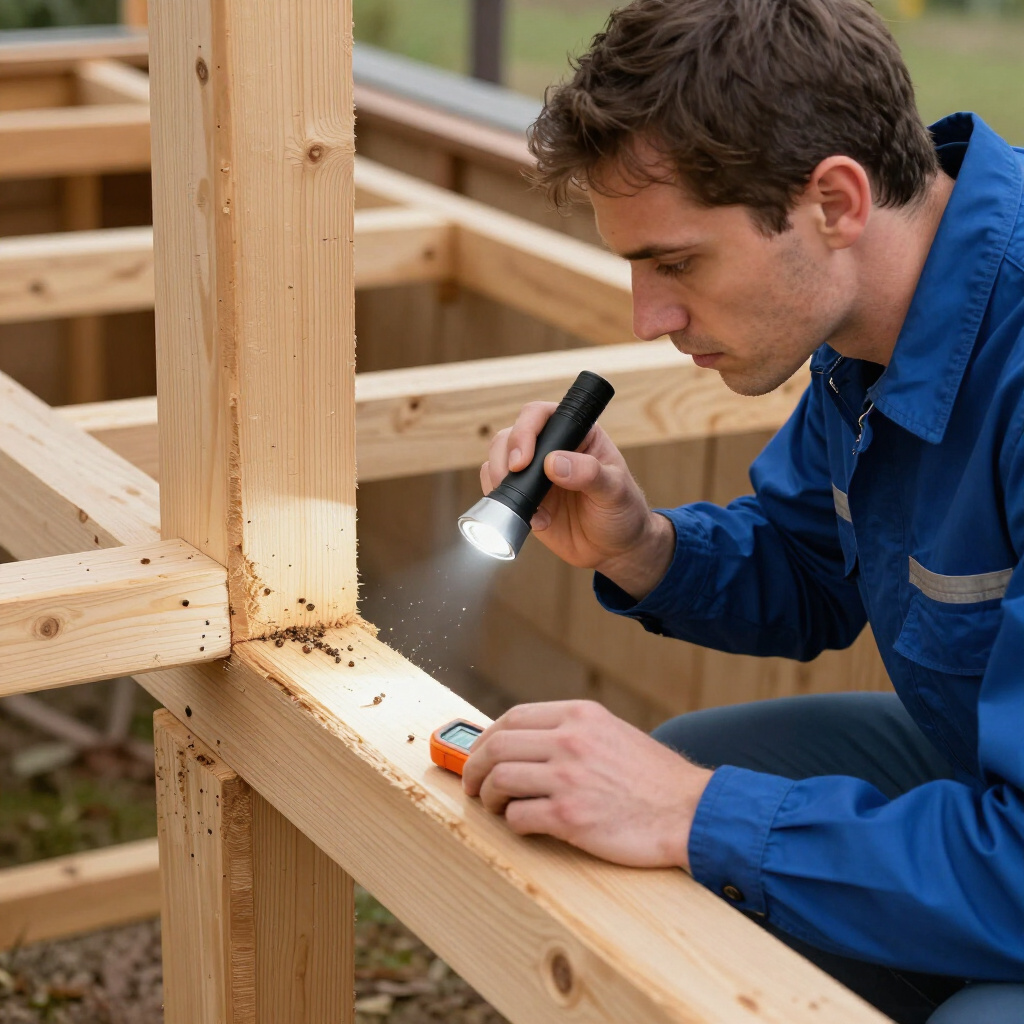
Termites rank among the most destructive threats to Long Beach homes. The area's moisture-rich environment, combined with sandy soils and abundant wooden structures, supports thriving populations of Formosan and Eastern subterranean termites. These silent destroyers often go unnoticed until significant structural damage has occurred.
Mosquitoes plague Long Beach properties from spring through late fall. The proximity to Wolf River marshes, bayous, and the Gulf itself provides endless breeding grounds. Beyond the nuisance factor, these pests carry West Nile virus and other diseases that put families at risk during outdoor gatherings.
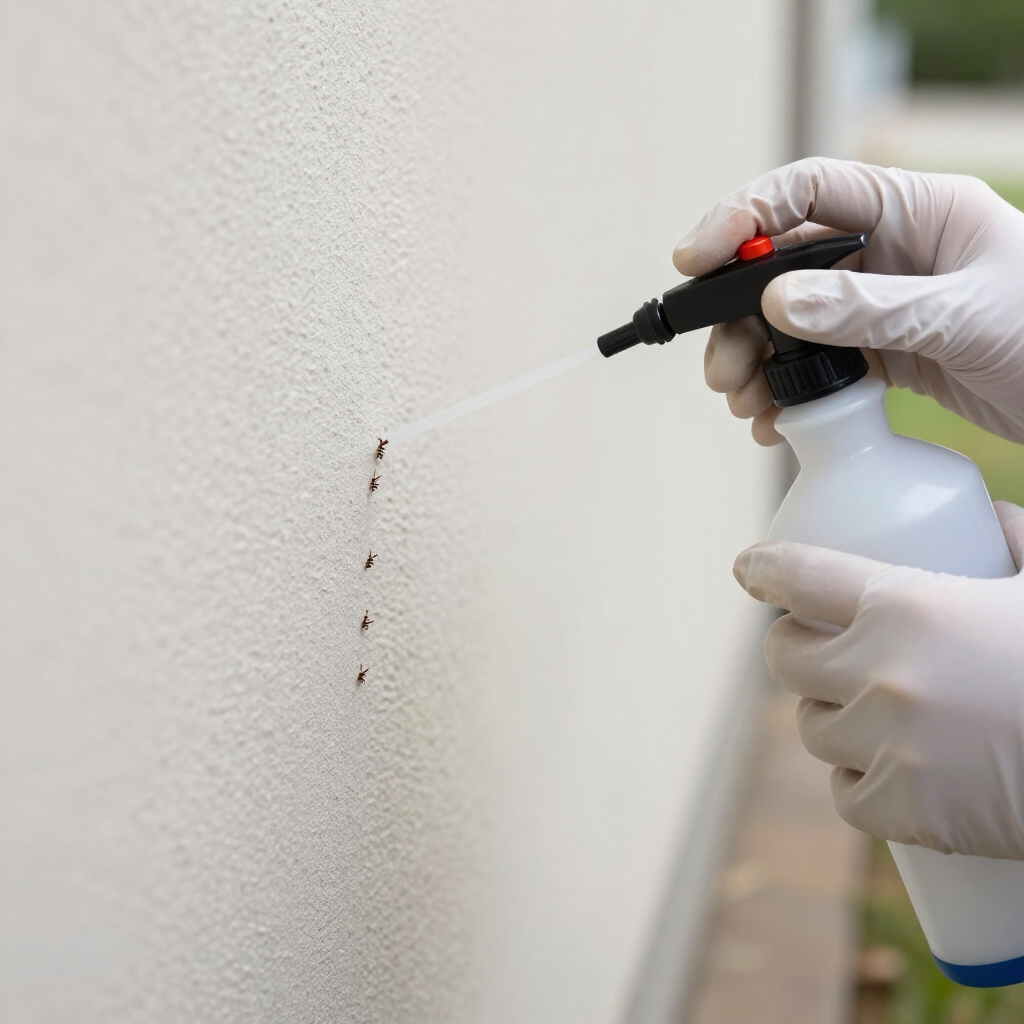
Ant infestations escalate quickly in Long Beach's subtropical setting. Fire ants build massive mounds across lawns and deliver painful stings, while Argentine ants and odorous house ants trail into kitchens seeking moisture and food. The mild winters here allow colonies to persist and expand continuously.
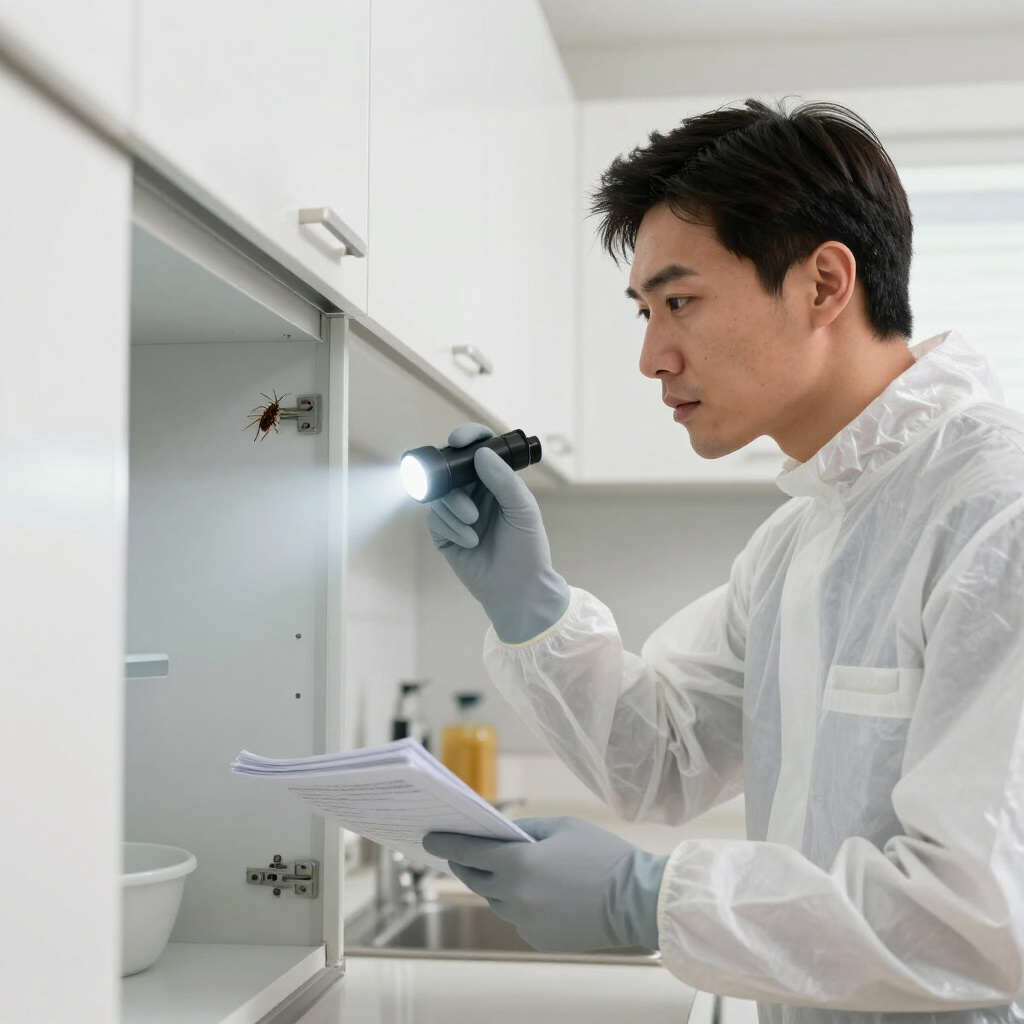
Cockroaches — particularly American and German species — flourish in the area's humidity. Older homes near the historic downtown and newer construction alike provide entry points and harborage. Heavy rains and storm surge events often drive these pests indoors in alarming numbers.
Seasonal hurricane activity compounds every pest problem. Flooding displaces rodents, snakes, and insects from natural habitats, forcing them into residential areas. The debris and standing water left behind create perfect conditions for population explosions.
How We Help Long Beach Homeowners
Our approach begins with understanding the specific pressures your property faces. We inspect for moisture intrusion points, foundation vulnerabilities, and conducive conditions that Gulf Coast properties uniquely present. Every treatment plan accounts for Long Beach's coastal environment — from salt air corrosion on structures to the persistent humidity that accelerates pest activity.
We emphasize preventive barrier treatments timed to local pest cycles. Spring applications target emerging mosquito populations and swarming termites. Summer protocols address peak ant and cockroach pressure. Fall treatments focus on excluding rodents seeking shelter before cooler weather. This seasonal rhythm keeps protection continuous rather than reactive.
For termite protection, we install and monitor baiting systems and apply liquid barriers specifically formulated for sandy, moisture-retentive soils common in Harrison County. Our technicians are trained to identify the subtle mud tubes and damage patterns that Gulf Coast termites create.
When storms hit, we provide rapid response assessments to address surge-related infestations before they establish. This includes identifying compromised structural seals, treating flood-driven pest invasions, and restoring protective barriers disrupted by wind and water.
Pest Control Services Available in Long Beach
Residential Pest Control
Ongoing protection plans customized for coastal homes, covering ants, roaches, spiders, silverfish, and occasional invaders.
Termite Control & Prevention
Inspections, liquid treatments, bait systems, and monitoring agreements with damage repair guarantees.
Mosquito Reduction
Breeding site elimination, larvicide applications, and adult misting treatments for yards and outdoor living spaces.
Rodent Control
Exclusion sealing, trapping programs, and population management for rats and mice.
Bed Bug Treatment
Heat remediation and targeted chemical applications with follow-up verification.
Commercial Pest Management
Integrated programs for restaurants, retail, hospitality, and healthcare facilities along Highway 90 and throughout the city.
Pest Control Pricing in the Long Beach Area
Pest control costs in Long Beach reflect the intensity of Gulf Coast pest pressure and the specialized treatments coastal properties require. Most homeowners find that preventive service delivers substantially better value than addressing full-blown infestations.
General pest control plans typically range from $40 to $75 per month for standard residential protection, with quarterly options available from $120 to $200 per visit. These plans cover the most common invaders and include unlimited re-service calls between scheduled treatments.
Termite protection represents a separate investment. Liquid barrier treatments for an average Long Beach home generally fall between $800 and $1,500 initially, with annual renewal fees of $150 to $300 for monitoring and warranty maintenance. Bait system installations start around $1,200 with similar ongoing costs.
One-time treatments for specific issues — such as a sudden ant explosion or post-storm roach invasion — range from $150 to $350 depending on property size and infestation severity. Bed bug heat treatments typically cost $1,000 to $2,500 based on home size and treatment complexity.
Factors that influence your specific quote include property square footage, age and construction type, surrounding vegetation, proximity to water features, and current infestation levels. We provide detailed written estimates after inspection with no obligation.
Frequently Asked Questions
How often should Long Beach homes receive pest control service?
Given the year-round pest pressure on the Gulf Coast, we recommend monthly or bi-monthly service for most Long Beach properties. Quarterly service can suffice for well-maintained newer homes with minimal surrounding vegetation, but the humid climate and abundant water sources make more frequent treatment advisable for consistent protection.
Are the treatments safe for families and pets?
Yes. We use EPA-registered products applied according to strict label specifications. Our technicians target application to pest harborages and entry points rather than broad broadcasting. We provide specific re-entry timing for each treatment and offer reduced-risk and botanical options for households with particular sensitivities.
What should I do after a hurricane regarding pest control?
Schedule an inspection as soon as conditions allow. Storm damage creates immediate entry points for pests displaced by flooding. Standing water breeds mosquitoes within days. Debris piles attract rodents and snakes. We prioritize post-storm assessments to restore protective barriers and address surge conditions before secondary infestations develop.