
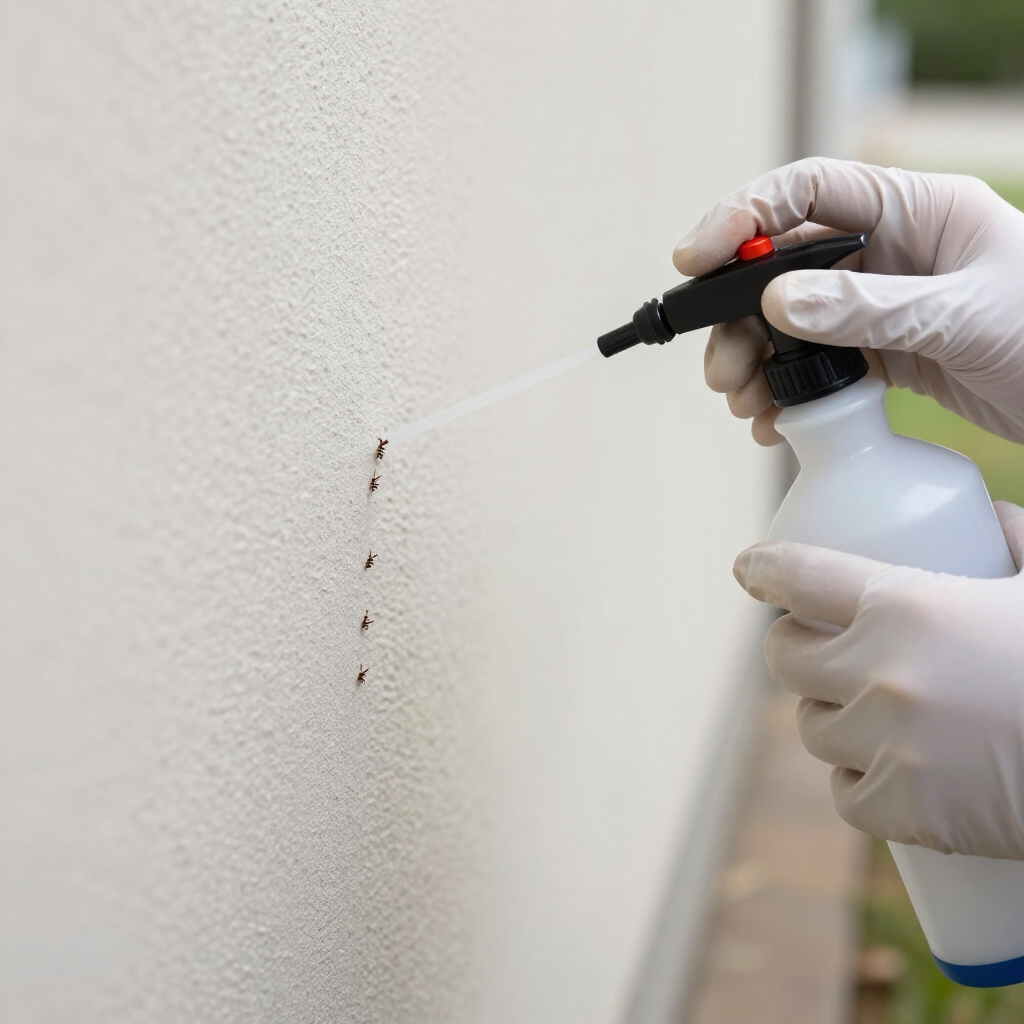
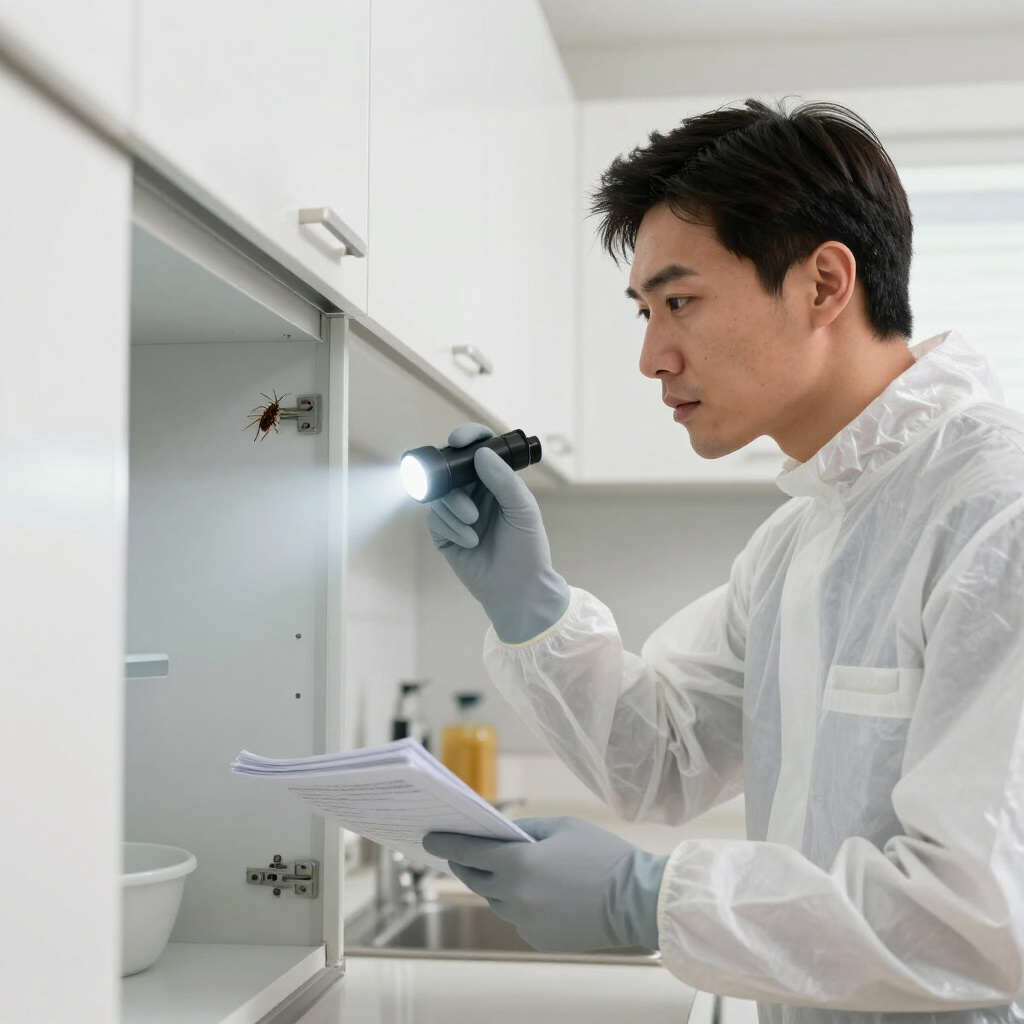
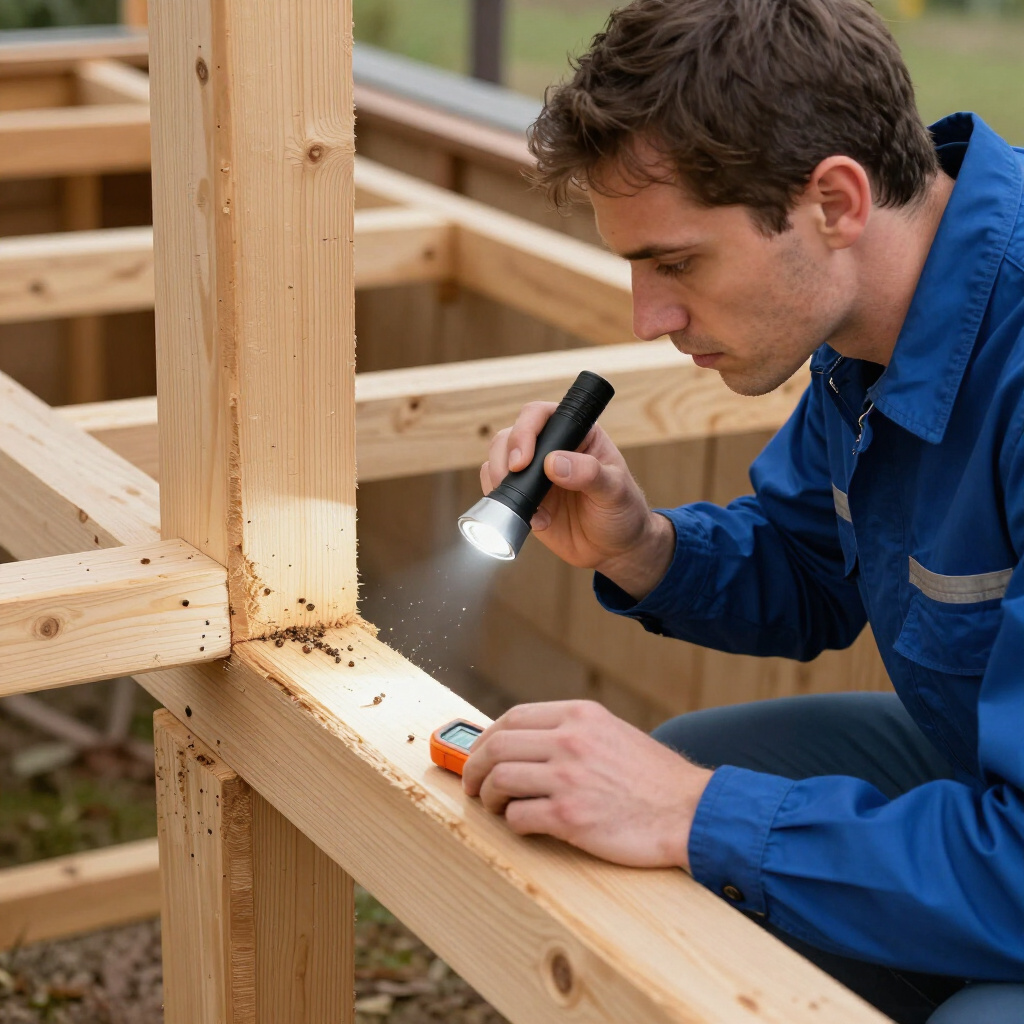
There's a certain pride that comes with handling household problems on your own. A leaky faucet, a squeaky door, a patch of weeds in the garden—many of these feel manageable with a weekend afternoon and the right YouTube tutorial. But pests? That's where the line between DIY confidence and costly mistake gets dangerously thin. Knowing when to call a pest control professional can save you money, protect your family's health, and prevent minor annoyances from becoming full-blown infestations.
When to Call a Pest Control Professional: Clear Warning Signs
Some pest situations demand immediate professional attention. If you're seeing live pests during daylight hours—particularly rodents, cockroaches, or termites—this almost always indicates a larger population hiding out of sight. These creatures are naturally secretive; visible activity means their hiding spots have reached capacity. Structural damage is another non-negotiable signal. Sagging floors, hollow-sounding wood, mud tubes along your foundation, or discarded wings near windowsills suggest termites or carpenter ants are actively destroying your home. By the time damage is visible, colonies are often well-established, and over-the-counter solutions simply won't penetrate deeply enough. Recurring problems despite your best efforts also warrant a call. If you've applied store-bought treatments three or more times and pests keep returning, you're likely treating symptoms rather than the source. Professionals locate entry points, nesting sites, and the conditions attracting pests in the first place—something no spray can accomplish alone.
Health and Safety Red Flags
Pest-related health risks escalate quickly and aren't always obvious. Rodents contaminate surfaces with bacteria through their droppings and urine, potentially spreading salmonella and hantavirus. Cockroaches trigger asthma attacks and allergies, especially in children. Bed bugs cause chronic sleep deprivation and skin infections from scratching. Ticks and mosquitoes in your yard pose vector-borne disease risks. When anyone in your household has compromised immunity, allergies, respiratory conditions, or you're caring for infants or elderly family members, DIY chemical treatments become risky propositions. Misapplied pesticides can exacerbate health problems rather than solve them. Pest control professionals have access to targeted, lower-toxicity options and the training to apply them safely around vulnerable occupants.
Situations Where DIY Truly Falls Short
Certain pests and scenarios almost guarantee DIY failure. Bed bugs have developed significant resistance to common insecticides and reproduce faster than most homeowners can eliminate them. Their eggs hide in impossibly small crevices, and a single survivor can restart the entire infestation. Wildlife intrusions—bats in the attic, raccoons in the chimney, squirrels in the walls—require specialized knowledge, humane removal techniques, and often legal compliance with local wildlife regulations. Attempting removal yourself risks bites, scratches, rabies exposure, and orphaned young left behind to die and decompose. Large or multi-point infestations also exceed DIY capacity. German cockroaches spreading through apartment buildings, termite colonies extending across multiple structural elements, or carpenter ant nests with satellite colonies throughout your property need systematic, professional-grade intervention. The longer you delay, the more extensive—and expensive—the remediation becomes.
Key Tips for Working With Professionals
When you do decide to call, preparation maximizes effectiveness. Document what you've observed: pest types, locations, times of activity, and any damage. This helps technicians identify species and severity quickly. Clear clutter and move furniture away from walls before treatment to ensure access to key areas. Ask questions before hiring. Reputable companies explain their inspection process, treatment methods, safety protocols, and follow-up procedures. They should provide written estimates and guarantee their work. Be wary of quotes given sight unseen or pressure to sign immediate contracts. After treatment, follow all preparation and post-treatment instructions carefully. Many failures occur not because the professional's work was inadequate, but because homeowners reintroduced pests through unchecked grocery bags, used furniture, or unsealed entry points. Partnership between you and your pest control professional yields the best long-term protection. Consider establishing ongoing preventive service if you live in high-risk areas—near wooded spaces, water sources, or in older homes with multiple maintenance vulnerabilities. Quarterly or bi-annual inspections catch problems before they require intensive intervention.
Final Thoughts
Knowing when to call a pest control professional ultimately comes down to protecting what matters most: your home's structural integrity, your family's wellbeing, and your peace of mind. The temptation to handle things independently is understandable, but pests rarely cooperate with timelines or budgets. Early professional intervention typically costs less than repairing extensive damage, replacing contaminated belongings, or managing chronic health impacts. Trust your instincts—if a pest problem feels beyond your control, it probably is. The right expert turns a stressful situation into a solved one, letting you reclaim your space with confidence.