
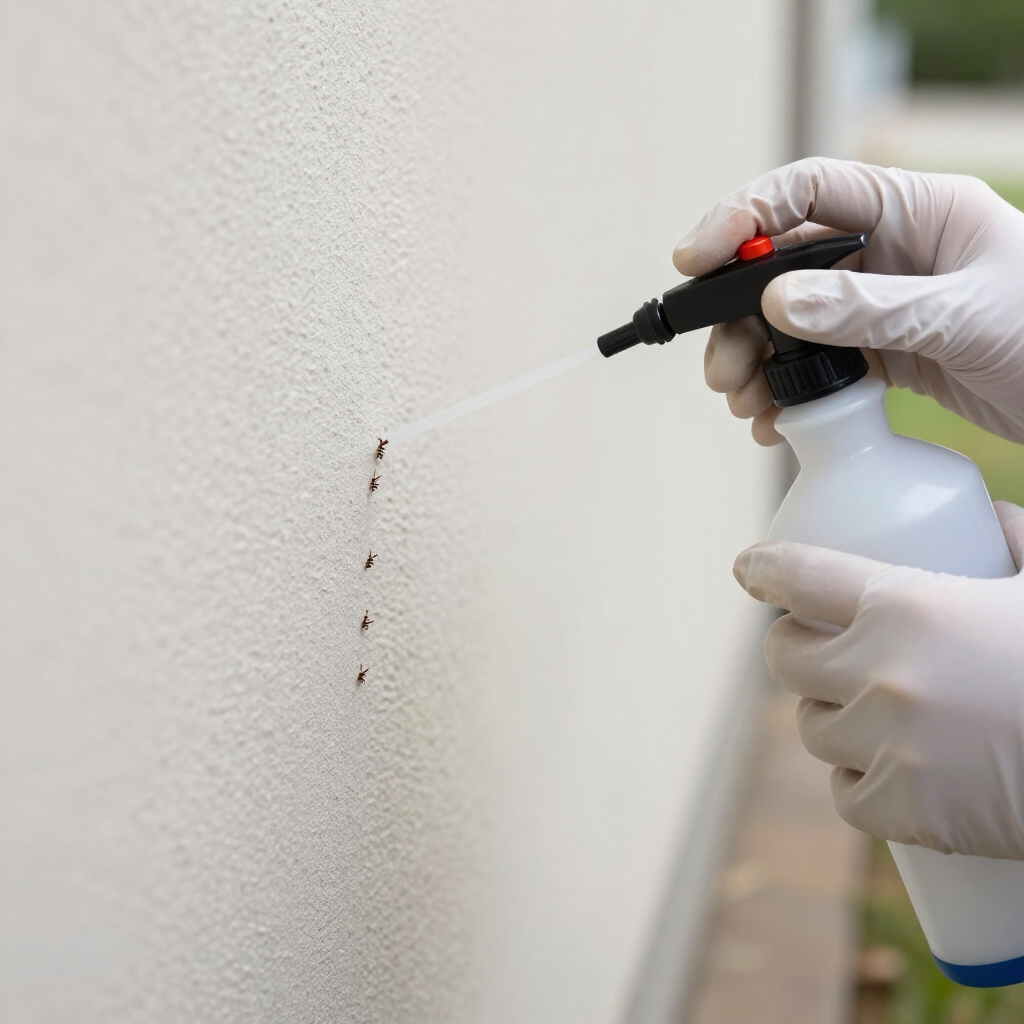


Termites are among the most destructive pests a homeowner can face, causing billions of dollars in property damage each year across the United States. What makes them particularly dangerous is how silently they operate—often chewing through wood, flooring, and even wallpaper for months or years before any visible signs appear. By the time you notice something wrong, the structural damage may already be extensive. Knowing the early warning signs can save you thousands in repair costs and protect the integrity of your home. Here are the key indicators that termites may have already moved in.
Signs You May Have Termites: Mud Tubes and Shelter Tunnels
One of the most telling signs you may have termites is the presence of mud tubes on exterior walls, foundations, or crawl spaces. Subterranean termites—the most common type in the U.S.—build these pencil-thin tunnels from soil, wood particles, and their own saliva to create protected pathways between their underground colony and their food source. These tubes maintain the moisture termites need to survive and shield them from predators and dry air.
Inspect the base of your home's foundation, especially near pipes, in crawl spaces, and around concrete slabs. Break open any suspicious tubes you find. If termites are actively using them, you'll see cream-colored workers or soldiers inside. Even abandoned tubes indicate previous activity and warrant professional inspection, as colonies may have simply relocated to another area of your home.
Swarmers and Discarded Wings
Reproductive termites, called swarmers or alates, emerge in large numbers typically during spring when temperatures warm and humidity rises. These winged termites leave established colonies to mate and start new ones. Finding swarmers inside your home is a near-certain sign that a mature colony exists within or immediately adjacent to your structure.
After swarming, these termites shed their wings, often leaving piles near windowsills, doorways, and light fixtures where they were attracted. The wings are all equal in length, helping distinguish them from ant wings, which have noticeably shorter hind wings. Even a single pile of discarded wings deserves attention—swarmers don't travel far from their origin point, meaning the colony is close by.
Hollow-Sounding Wood and Sagging Floors
Termites consume wood from the inside out, leaving a thin veneer of paint or wood grain intact while hollowing out the interior. Tap on baseboards, window sills, door frames, and hardwood floors with the handle of a screwdriver. Healthy wood produces a solid, dull thud. Wood damaged by termites sounds papery, hollow, or resonant, similar to tapping on an empty box.
Advanced infestations cause visible structural changes. Floors may feel springy or sag underfoot. Door and window frames can warp from the moisture termites introduce, making them difficult to open or close. In severe cases, ceilings may buckle or walls may show unexplained cracks as load-bearing timbers lose integrity. These symptoms indicate long-standing infestation requiring immediate intervention.
Frass: Termite Droppings
Drywood termites, common in warmer coastal regions, produce distinctive fecal pellets called frass. Unlike subterranean termites that use their waste in mud tubes, drywood termites push frass out of small kick-out holes near the entrances to their tunnels. These tiny, hexagonal pellets accumulate in small piles resembling sawdust or coffee grounds.
Check windowsills, beneath wooden furniture, along baseboards, and in attics for these accumulations. The color varies depending on the wood being consumed—ranging from light tan to dark brown. Fresh piles appearing after cleaning strongly suggest active infestation. Because drywood termites live entirely within the wood they consume, frass may be your only external warning sign for months.
Bubbling or Damaged Paint and Wallpaper
Moisture from termite activity often causes paint to bubble, peel, or discolor in patterns that resemble water damage. Wallpaper may loosen or develop rippled areas where termites have tunneled beneath. These signs frequently appear in corners, near baseboards, and behind appliances where inspection is less common.
Subtle discoloration on drywall or plaster can also indicate termite galleries running just beneath the surface. In advanced cases, you may actually see the maze-like patterns of tunnels if the wall material becomes thin enough. Any unexplained moisture marks should be investigated for both plumbing leaks and termite activity, as the two can appear remarkably similar initially.
Key Tips for Protecting Your Home
Regular inspection is your best defense against costly termite damage. Schedule annual professional inspections, especially if your home has a history of termite activity or sits in a high-risk region. Between professional visits, conduct your own checks seasonally, focusing on basements, crawl spaces, attics, and garages where wood meets soil or concrete.
Reduce conditions that attract termites by maintaining proper drainage around your foundation, repairing leaky faucets and pipes promptly, and keeping firewood, lumber, and mulch at least twenty inches from your home's exterior. Ensure adequate ventilation in crawl spaces and attics to reduce humidity that supports termite survival.
If you discover any signs you may have termites, avoid disturbing visible mud tubes, swarmers, or frass excessively before professional evaluation. Pest control specialists use these signs to assess colony location, species identification, and infestation severity—information critical to selecting the most effective treatment approach.
Final Thoughts
Termites work slowly but relentlessly, making early detection the difference between manageable treatment and major reconstruction. The signs you may have termites range from obvious structural changes to subtle clues easily dismissed as normal wear. Training yourself to recognize mud tubes, discarded wings, hollow wood, frass, and moisture-damaged surfaces empowers you to act before colonies expand beyond control.
No single sign definitively confirms termite presence in every case, and some symptoms overlap with carpenter ant damage, moisture issues, or wood-decay fungi. When uncertainty exists, consult a licensed pest management professional who can accurately identify the problem and recommend targeted solutions. Your home represents one of your largest investments—protecting it from silent destroyers begins with vigilance and informed awareness of the warning signs termites leave behind.