
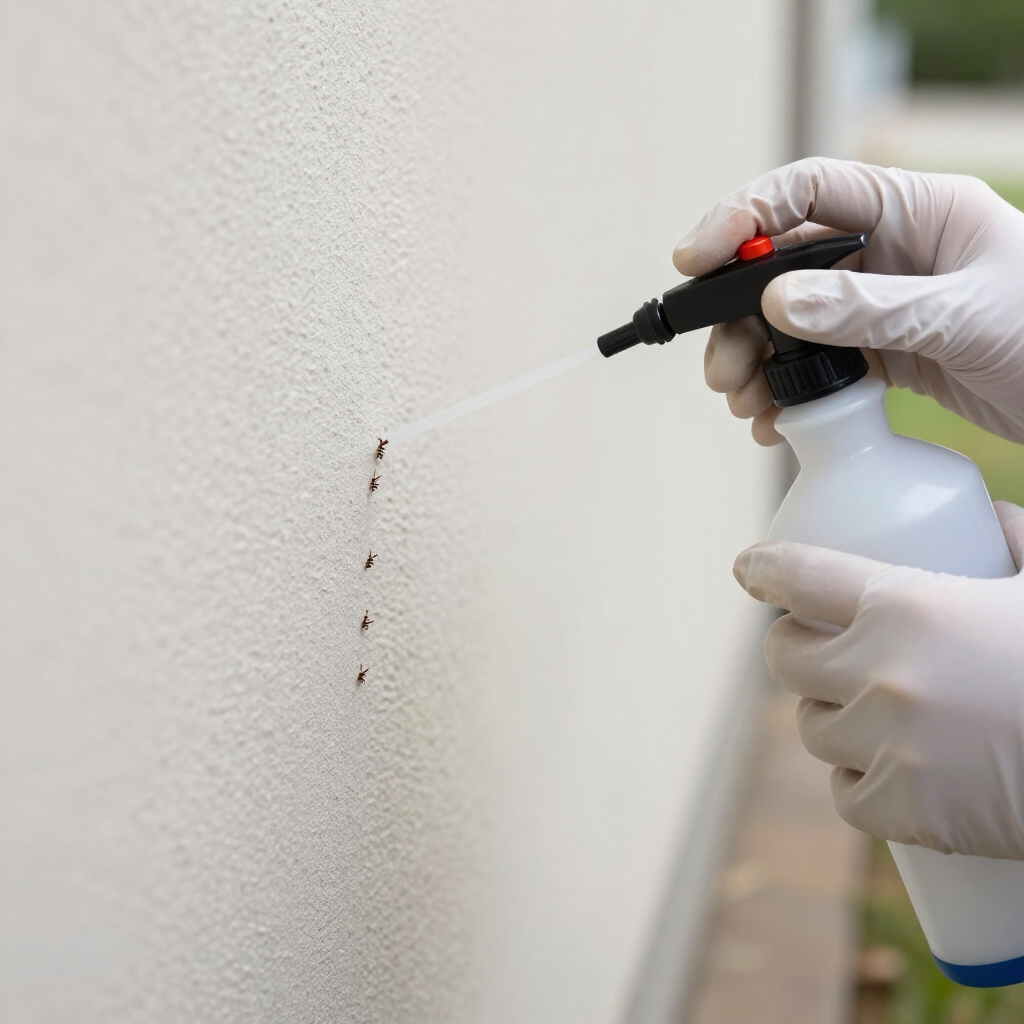


Every season brings its own charm—spring flowers, summer barbecues, autumn foliage, cozy winter nights—but each also invites a fresh wave of unwanted visitors into your home. Pests don't take vacations, and their behavior shifts dramatically throughout the year. A proactive, season-by-season approach to pest management saves you stress, protects your property, and keeps your family comfortable year-round. This seasonal pest control checklist gives you the practical steps to stay ahead of infestations before they start.
Why Seasonal Pest Control Matters for Every Homeowner
Understanding seasonal pest control is the foundation of effective home maintenance. Pests follow predictable patterns driven by temperature, moisture, and food availability. Ants surge in spring, mosquitoes thrive in summer humidity, rodents seek winter shelter, and fall sends countless insects scrambling indoors. When you anticipate these patterns rather than react to them, you dramatically reduce your risk of major infestations.
Reactive pest control—waiting until you see bugs or droppings—often means the problem is already established. By then, colonies may be hidden in walls, under floors, or in crawl spaces. Seasonal prevention interrupts breeding cycles, eliminates entry points before pests find them, and creates an environment that's simply less attractive to invaders. Think of it as routine home care, similar to gutter cleaning or HVAC maintenance, rather than an emergency response.
Your Season-by-Season Pest Control Checklist
Breaking pest management into quarterly tasks makes it manageable and thorough. Here's what to focus on as the year unfolds.
Spring Awakening: As temperatures rise, dormant pests become active. Termite swarms emerge, ants establish new colonies, and overwintering spiders become visible. Start with a complete perimeter inspection. Seal foundation cracks, repair torn window screens, and install door sweeps where gaps exist. Clear winter debris from gutters and direct downspouts away from your foundation—moisture attracts wood-destroying organisms. Trim shrubs and tree branches back from your home's exterior to eliminate bridges for crawling insects. Consider a professional termite inspection if your area is prone to subterranean or drywood species.
Summer Vigilance: Heat and humidity create ideal conditions for mosquitoes, flies, wasps, and cockroaches. Eliminate standing water weekly—birdbaths, plant saucers, clogged gutters, and children's toys can all harbor mosquito larvae. Keep garbage in sealed containers and clean grills promptly after use. Store pantry items in airtight containers to deter ants and pantry moths. Check window screens for damage and use fine mesh to block smaller insects. If you spot wasp nest beginnings, address them early before colonies expand and become defensive.
Fall Preparation: Cooling temperatures trigger mass migration indoors. Stink bugs, boxelder bugs, lady beetles, and rodents all seek winter harborage. This is your most critical sealing season. Inspect attic vents, chimney openings, utility penetrations, and where siding meets the foundation. Use steel wool or copper mesh combined with caulk for rodent entry points—they can squeeze through gaps as small as a dime. Store firewood at least twenty feet from your home and elevate it off the ground. Rake leaves promptly and maintain clean gutters to reduce moisture and hiding spots.
Winter Monitoring: Pests inside your home become more noticeable as outdoor activity ceases. Mice and rats actively nest in attics, wall voids, and basements. Cockroaches and silverfish persist in warm, humid areas like kitchens and bathrooms. Continue inspecting storage areas, especially where cardboard boxes or fabric items sit undisturbed. Listen for scratching or scurrying sounds, particularly at night. Maintain traps in known vulnerable areas and check them regularly. Avoid overwatering houseplants, as fungus gnats thrive in saturated soil.
Key Tips for Long-Term Pest Prevention Success
Consistency separates successful seasonal pest control from occasional efforts that fall short. Integrate these habits into your regular home maintenance routine for lasting protection.
First, manage moisture relentlessly. Most pests require water to survive, and even minor leaks create hospitable conditions. Repair dripping faucets, running toilets, and pipe condensation promptly. Ensure bathrooms, kitchens, and laundry areas have adequate ventilation. Use dehumidifiers in basements and crawl spaces where relative humidity climbs.
Second, practice smart food storage and waste management. Keep countertops clean, sweep floors regularly, and avoid leaving pet food out overnight. Store dry goods in glass, metal, or thick plastic containers rather than original packaging. Take garbage out frequently and keep outdoor bins sealed and away from exterior walls.
Third, know when professional expertise becomes essential. DIY measures work well for prevention and minor issues, but certain situations demand trained intervention: recurring ant trails despite your efforts, unexplained wood damage suggesting termites, rodent activity in multiple areas, or any pest that threatens health and safety. Licensed pest control professionals bring specialized equipment, targeted treatments, and knowledge of local pest pressures that amplify your seasonal efforts.
Finally, document your seasonal pest control activities. Note inspection dates, repairs completed, products used, and any pest sightings. This record helps identify patterns, track what works, and provides valuable information if you ever need professional service.
Final Thoughts
Protecting your home from pests isn't a one-time project—it's an ongoing commitment that rewards preparation and consistency. By following this seasonal pest control checklist, you transform your home from an inviting target into a well-defended sanctuary. Each season's specific tasks build on the last, creating comprehensive protection that adapts as pest pressures change. Start with this season's priorities today, and you'll spend less time battling invaders and more time enjoying the home you've worked hard to maintain.