


Homeowners across the country are searching for ways to protect their families and properties without relying on harsh chemical treatments. Whether you're concerned about children, pets, or simply want a more sustainable approach, natural pest control methods offer effective solutions that work with nature rather than against it. The key is understanding which techniques target specific pests and how to implement them correctly for lasting results.
Natural Pest Control Methods for Common Household Invaders
When ants march across your kitchen counter or spiders set up camp in corners, reaching for a chemical spray isn't your only option. Natural pest control methods can address these everyday nuisances effectively when applied with consistency and the right technique.
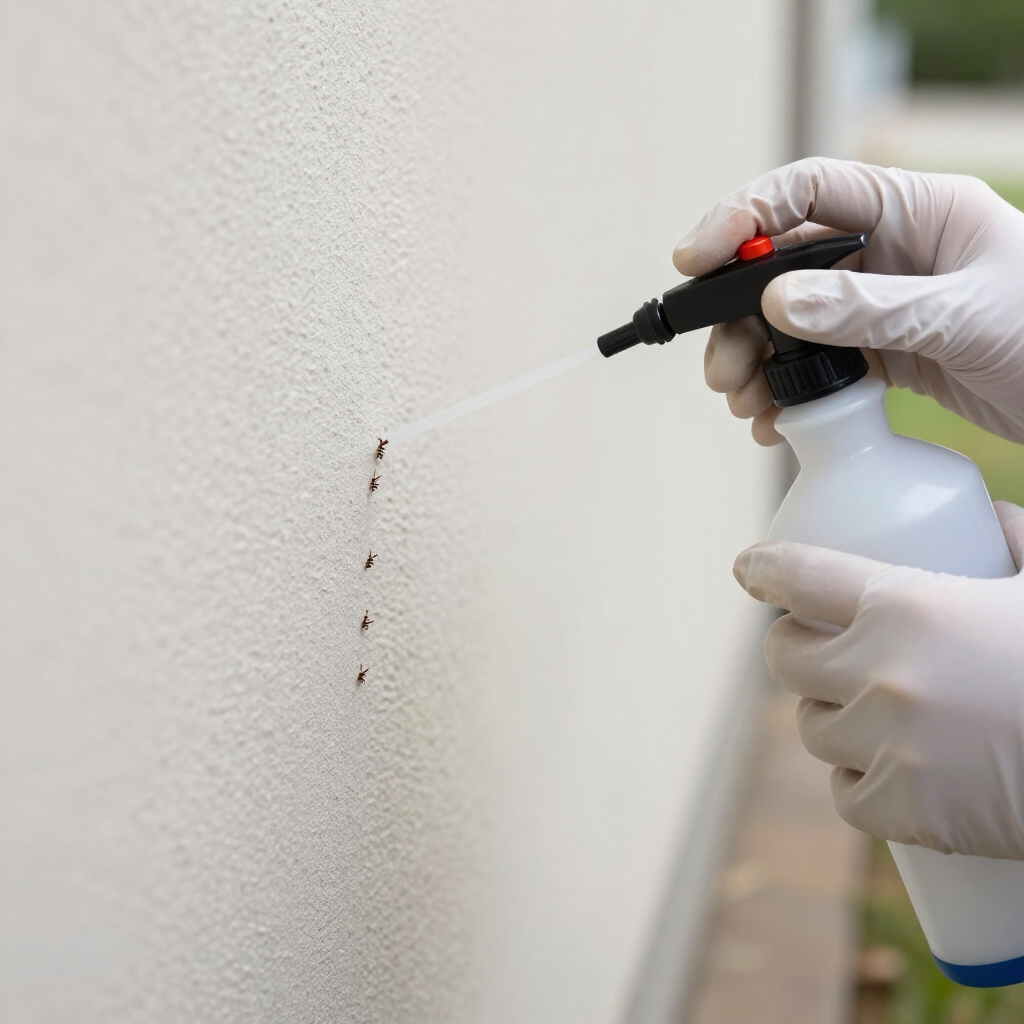
For ant infestations, a simple solution of white vinegar and water disrupts the pheromone trails that guide colony members to food sources. Spray along baseboards, entry points, and countertops where you've spotted activity. Diatomaceous earth, a fine powder made from fossilized aquatic organisms, works mechanically rather than chemically—its microscopic edges damage the exoskeletons of crawling insects like ants, cockroaches, and silverfish, causing dehydration within 48 hours. Sprinkle food-grade diatomaceous earth in dry areas where pests travel, reapplying after cleaning or moisture exposure.
Essential oils have emerged as powerful allies in natural pest control methods. Peppermint oil repels spiders and mice when diluted with water and sprayed around windows, doors, and foundation gaps. Tea tree oil and eucalyptus demonstrate similar repellent properties against various insects. For best results, refresh these applications every 5-7 days, as the volatile compounds dissipate more quickly than synthetic alternatives.
Physical barriers remain among the most underrated natural pest control methods. Copper tape deters slugs and snails from garden beds and container plantings. Fine mesh screens properly fitted over vents and windows exclude flying insects and rodents. Even something as simple as sealing cracks with steel wool—too abrasive for rodents to chew through—blocks entry pathways that pests exploit.
Biological and Habitat-Based Approaches
Beyond direct treatments, sustainable pest management focuses on altering conditions that attract and sustain pest populations. This preventive mindset forms the foundation of truly effective natural pest control methods.
Beneficial insects serve as living pest control agents in gardens and landscaped areas. Ladybugs consume aphids, mites, and scale insects at remarkable rates. Praying mantises target caterpillars and various flying pests. Ground beetles patrol soil surfaces for slug eggs and cutworms. Attracting these allies requires diverse plantings with nectar sources, sheltering vegetation, and avoidance of broad-spectrum treatments that harm non-target species. Native flowering plants particularly excel at supporting local beneficial insect populations throughout their life cycles.
Companion planting leverages natural relationships between plant species to reduce pest pressure. Marigolds release compounds from their roots that suppress nematodes in soil. Basil planted near tomatoes may reduce hornworm and fly damage. Nasturtiums act as trap crops, drawing aphids away from more valuable vegetables. These natural pest control methods require planning but deliver season-long protection without additional inputs once established.
Moisture management proves critical for preventing pest problems indoors and out. Termites, carpenter ants, silverfish, and cockroaches all require water sources to thrive. Repairing leaky faucets, improving drainage around foundations, and using dehumidifiers in crawl spaces and basements eliminate the damp conditions these pests seek. Proper ventilation in attics and bathrooms similarly discourages moisture-loving invaders.
Key Tips for Success with Natural Approaches
Transitioning to natural pest control methods requires adjusting expectations and techniques compared to conventional approaches. These practices will improve your outcomes significantly.
Start with accurate identification before selecting any treatment. What repels one pest may attract another, and misidentification leads to wasted effort. A "natural" label doesn't guarantee safety for all applications—concentrated essential oils can harm pets if misused, and diatomaceous earth irritates lungs when inhaled during application. Always research specific products and follow label directions precisely.
Patience distinguishes successful natural pest control methods from frustrated abandonment. Biological controls and behavioral modifications typically require days or weeks to show full effects, unlike rapid-kill chemicals. Maintain applications consistently through this establishment period rather than switching approaches prematurely. Document what you observe to refine your strategy over time.
Combine multiple techniques for complex infestations. Integrated pest management principles apply equally to natural approaches—a single method rarely addresses all factors contributing to pest pressure. Pair exclusion measures with habitat modification, add targeted biological controls, and reserve direct treatments for active problem areas rather than blanket applications.
Know when professional intervention becomes necessary. Natural pest control methods excel in prevention and early intervention, but established termite colonies, extensive rodent infestations, or pest species carrying disease may require expertise beyond DIY scope. Reputable pest control professionals increasingly offer reduced-chemical or botanical-based service options worth exploring.
Final Thoughts
Natural pest control methods represent a practical middle ground between passive acceptance and aggressive chemical warfare. By understanding pest biology, modifying attractive conditions, and applying targeted treatments derived from natural sources, homeowners achieve meaningful protection while preserving environmental quality and household safety. The investment in learning these approaches pays dividends through reduced dependency on synthetic products, healthier living spaces, and often lower long-term costs. Begin with the methods most relevant to your current pest pressures, implement them thoroughly, and expand your natural toolkit as experience and confidence grow.