
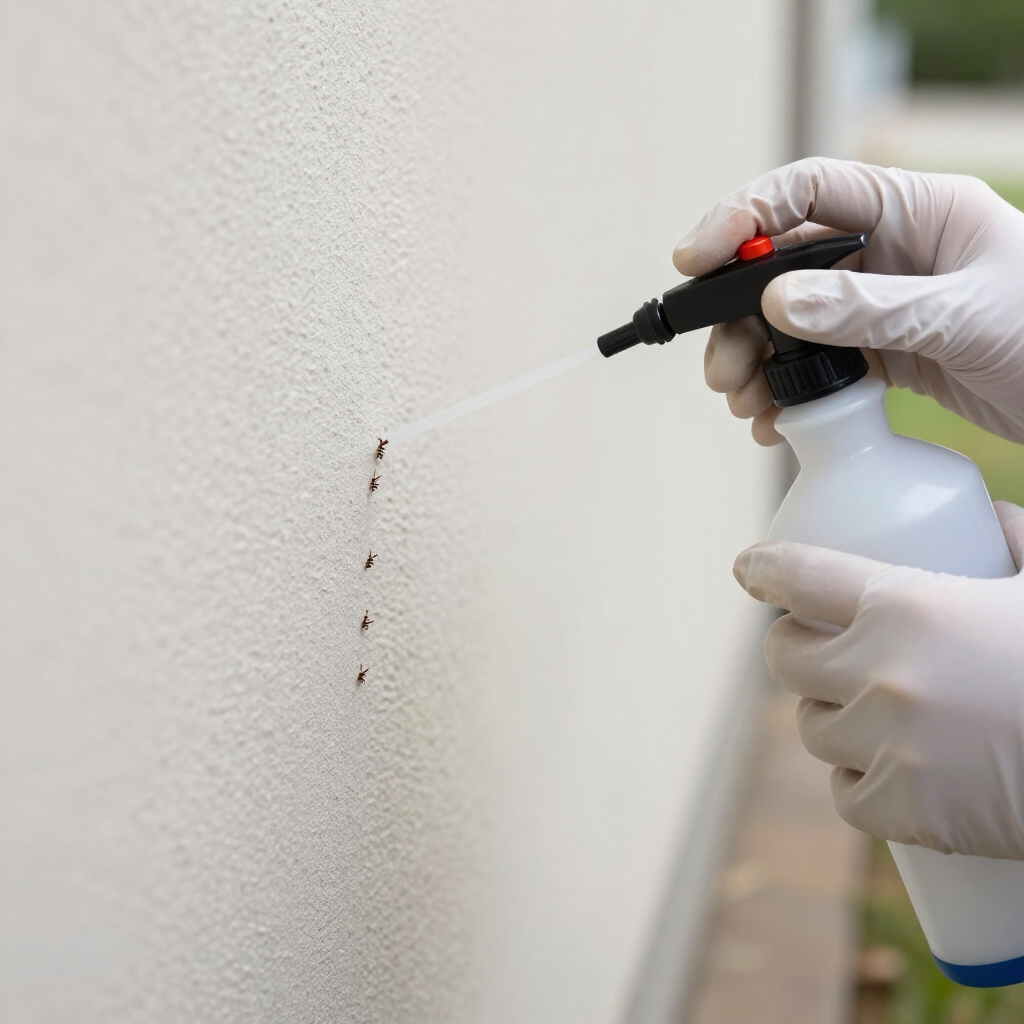

There's something unsettling about spotting a line of ants marching across your kitchen counter or hearing scurrying in the walls late at night. Household pests are more than just a nuisance — they can damage your property, contaminate food, and even pose health risks to your family. The good news? Most infestations are entirely preventable with the right knowledge and consistent habits. Whether you're dealing with an active problem or want to stay ahead of one, understanding what attracts pests and how to keep them out is your best defense.
Common Household Pests and Why They Invade
Most household pests enter homes for the same basic reasons: food, water, and shelter. Knowing which pests you're most likely to encounter helps you target your prevention efforts effectively.
Ants are among the most frequent invaders, often trailing inside through tiny cracks in search of sugary or greasy food remnants. Once a scout finds something good, it leaves a chemical trail for hundreds of others to follow. Carpenter ants deserve special mention — unlike termites, they don't eat wood, but they excavate it to build nests, causing structural damage over time.
Cockroaches thrive in warm, humid environments with access to food and water. They're incredibly resilient, able to survive for weeks without food and even live for a short time without their heads. Beyond the "ick" factor, roaches spread bacteria, trigger allergies, and can worsen asthma symptoms — especially in children.
Rodents like mice and rats become particularly problematic in fall and winter when outdoor temperatures drop. They can squeeze through openings as small as a dime, gnaw through electrical wiring (creating fire hazards), and contaminate surfaces with droppings that carry serious diseases.
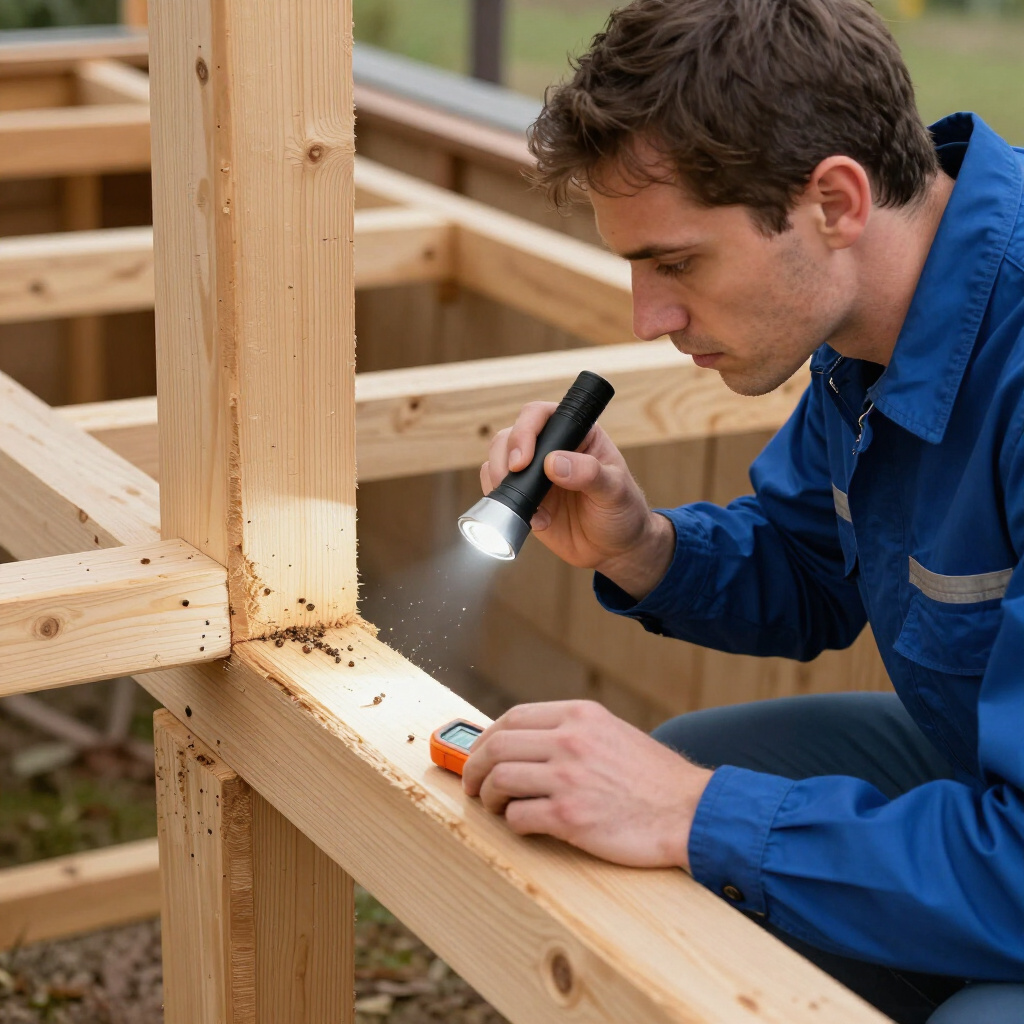
Termites work silently and invisibly, often causing thousands in damage before homeowners notice anything wrong. Subterranean termites build mud tubes to travel between soil and wood, while drywood termites can infest furniture and structural timbers directly.
Bed bugs have made a significant resurgence and can hitchhike into homes on luggage, used furniture, or clothing. They're not a sign of poor cleanliness — even immaculate homes can become infested. Their bites cause itchy welts, and they're notoriously difficult to eliminate without professional treatment.
Other common household pests include spiders (often following their insect prey indoors), silverfish (attracted to damp areas and starchy materials like books and wallpaper), and fruit flies (breeding rapidly in overripe produce and drain buildup).
Prevention Strategies That Actually Work
Effective pest prevention isn't about a single dramatic action — it's about consistent, layered habits that remove what pests need to survive.
Seal your home's perimeter. Walk around your home's exterior and inspect for gaps around windows and doors, cracks in the foundation, openings where utilities enter, and damaged screens. Use caulk, weatherstripping, steel wool (for rodent gaps), or fine mesh to close these entry points. Pay special attention to areas where different building materials meet — these junctions often settle and create openings.
Eliminate food sources. Store pantry items in airtight containers, not original packaging that pests can chew through. Clean crumbs and spills immediately, and don't leave pet food out overnight. Take garbage out regularly and use bins with tight-fitting lids. Even small amounts of residue — a film of grease on a stovetop, forgotten pet food in a garage — can sustain pests.
Control moisture. Fix leaky faucets, pipes, and clogged drains promptly. Ensure bathrooms, kitchens, and basements have adequate ventilation. Use dehumidifiers in damp areas, and direct downspouts away from your foundation. Many pests, including roaches, silverfish, and termites, are drawn to moisture and will seek it out actively.
Maintain your yard and exterior. Trim tree branches and shrubs so they don't touch your roof or walls — these act as bridges for pests. Keep firewood stacked at least 20 feet from your home and elevated off the ground. Clean gutters regularly to prevent water accumulation and remove leaf debris where pests harbor.
Practice smart travel and secondhand shopping. Inspect hotel room mattresses and headboards for bed bugs when traveling. When acquiring used furniture, examine seams, crevices, and underside areas carefully. Consider treating items before bringing them into your main living space.
When to Call a Professional
DIY prevention goes a long way, but some situations warrant expert intervention. Contact a licensed pest control professional if you notice signs of termites (mud tubes, discarded wings, hollow-sounding wood), hear rodents in walls or attics, find multiple cockroaches (especially during daylight, which suggests heavy infestation), or experience bed bug bites. Professionals have access to targeted treatments, can identify species accurately, and understand local pest pressures that affect prevention timing.
Many pest control companies also offer routine inspection and maintenance programs. These can be particularly valuable for homes in termite-prone regions or properties with historical pest issues. The cost of prevention almost always pales in comparison to the expense of repairing pest damage or eliminating a full-blown infestation.
Final Thoughts
Keeping common household pests at bay comes down to being proactive rather than reactive. The homes that stay pest-free aren't necessarily the cleanest or newest — they're the ones where residents understand pest behavior and consistently remove the conditions that allow infestations to take hold. Start with a thorough home inspection this weekend, address the vulnerabilities you find, and build simple maintenance habits into your routine. Your future self, your property value, and your peace of mind will thank you. And remember, when a problem feels beyond your control, professional help is just a call away — sometimes the smartest prevention strategy is knowing when to bring in an expert.