
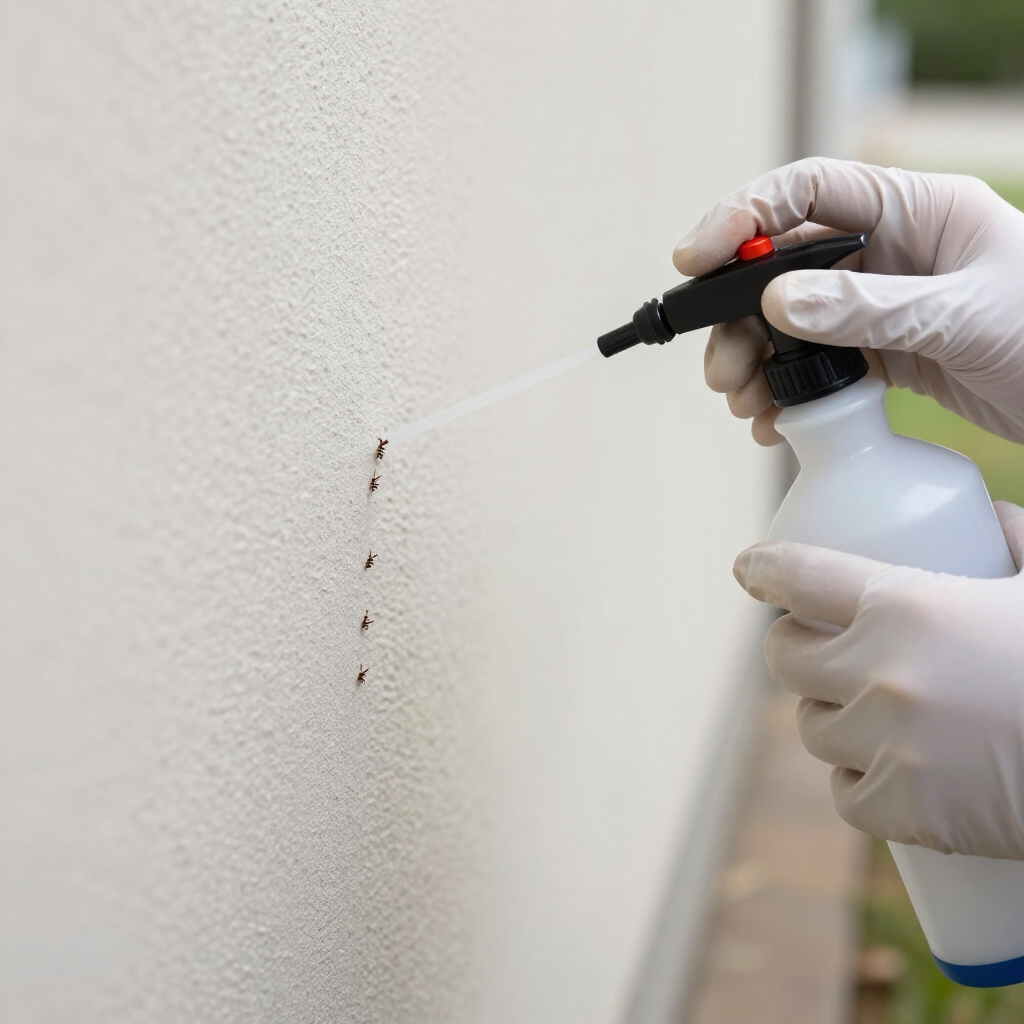


There's nothing quite like the frustration of spotting a trail of ants marching across your kitchen counter. One day your home feels peaceful, and the next, you're watching a tiny army haul crumbs back to a hidden nest. Ants are remarkably resourceful creatures, and once they find a reliable food source, they communicate that discovery to the entire colony. The good news? You don't need harsh chemicals or constant vigilance to keep them out. With the right combination of prevention strategies, you can make your home far less appealing to these persistent invaders.
How to Prevent Ants From Invading Your Home Through Proper Sanitation
Ants enter homes for one primary reason: resources. Eliminate the buffet, and you eliminate much of their motivation. Start with your kitchen, the most common target. Wipe down counters after every meal preparation, paying special attention to sticky spots from honey, syrup, or fruit juice that you might not notice but ants absolutely will. Store all pantry items—sugar, flour, cereals, pet food—in airtight containers with tight-fitting lids. A forgotten bag of sugar with a tiny tear is an open invitation.
Don't overlook less obvious food sources. Pet food bowls should be picked up between feedings, and any spilled kibble should be swept immediately. Take garbage out regularly rather than letting it accumulate, and rinse recyclable containers before tossing them in the bin. Even the residue inside an empty soda can attracts foragers. Finally, sweep and mop floors weekly, getting into corners and beneath appliances where crumbs collect. A clean home isn't just pleasant for you—it's actively discouraging to ants searching for their next meal.
Seal Entry Points to Block Access
Ants are incredibly small and can exploit gaps you'd never notice. A crack in your foundation the width of a pencil lead is a highway for thousands of ants. Conduct a thorough inspection of your home's exterior, paying special attention to where utilities enter—pipes, wires, and HVAC lines often leave gaps around their penetration points. Seal these with silicone caulk or expanding foam.
Check window screens for tears and ensure they fit snugly in their frames. Door sweeps and weatherstripping wear down over time; replace any that let light shine through the gap beneath. Don't forget higher entry points either—ants climb vegetation and can access upper stories via branches touching your roof or walls. Trim back trees, shrubs, and vines to maintain at least a foot of clearance from your home's exterior. Inside, inspect baseboards, cabinetry, and around plumbing fixtures for cracks that could serve as interior pathways.
Manage Moisture and Environmental Conditions
While food draws ants in, water keeps them coming back. Many ant species prefer damp environments, and even desert-dwelling varieties need moisture to survive. Fix leaky faucets, pipes, and running toilets promptly. Check under sinks regularly for slow drips that might go unnoticed. Ensure your bathroom has adequate ventilation, and wipe down shower walls after use if condensation tends to accumulate.
Outside, direct water away from your foundation with properly functioning gutters and downspouts. Avoid overwatering plants near your home's perimeter, and consider moving mulch beds a few feet away from the foundation—mulch retains moisture and provides ideal nesting conditions. If you have a crawl space or basement, address any dampness with a dehumidifier or proper ventilation. The drier you keep your home's interior and immediate surroundings, the less hospitable it becomes to moisture-seeking ants.
Key Tips for Long-Term Prevention
Consistency matters more than intensity when it comes to keeping ants away. Establish these habits for lasting protection:
Deploy natural deterrents strategically. Ants follow scent trails laid down by scout workers. Disrupt these trails by wiping surfaces with vinegar solution—a 50/50 mix of white vinegar and water removes the pheromone markers they depend on. Sprinkle food-grade diatomaceous earth along exterior foundation walls and known entry points; the microscopic particles damage ants' exoskeletons and dehydrate them. Cinnamon, coffee grounds, and peppermint oil can also deter ants, though these require more frequent reapplication.
Practice smart landscaping. Keep firewood stacked well away from your home, as it harbors ant colonies. Remove decaying stumps, fallen branches, and leaf litter from your yard. Consider creating a dry gravel barrier between garden beds and your foundation—ants struggle to establish trails across loose, dry stone.
Address problems early. Seeing a few ants isn't necessarily cause for alarm, but it signals that scouts have found something of interest. Take immediate corrective action rather than waiting to see if more arrive. If you spot consistent activity despite your prevention efforts, locate and treat the nest directly rather than just killing visible foragers. Worker ants are replaceable; eliminating the colony requires reaching the queen.
Know when to call professionals. Carpenter ants, which tunnel through wood and can cause structural damage, warrant immediate expert attention. Similarly, if you're dealing with multiple colonies, recurring infestations, or ants in sensitive areas like electrical boxes, professional pest control provides targeted solutions that protect your home more effectively than over-the-counter options.
Final Thoughts
Preventing ants from invading your home comes down to understanding what attracts them and systematically removing those incentives. Sanitation eliminates food sources, sealing entry points closes the door, and moisture management removes the comfortable conditions colonies seek. None of these strategies are complicated, but they do require attention to detail and consistent follow-through.
The most successful homeowners take a proactive rather than reactive approach. Rather than waiting to see ants before acting, implement these prevention measures as standard household maintenance. When you make your home inhospitable to ants year-round, you spend far less time dealing with the stress and disruption of active infestations. Your kitchen stays yours alone, and those tiny invaders look elsewhere for their next meal.