

There's something unsettling about walking into a room and spotting a spider hanging in the corner—or worse, scrambling across your floor. Even if you know most household spiders are harmless, that instinctive reaction can make your home feel less like a sanctuary and more like a haunted house. The good news? You don't have to share your living space with eight-legged roommates. With a few smart, practical strategies, you can keep spiders out of your house and reclaim your peace of mind.
How to Keep Spiders Out of Your House by Sealing Entry Points
Spiders don't need much space to slip inside. A gap the width of a pencil is plenty for many common species. Your first and most effective line of defense is making it physically difficult for them to enter.
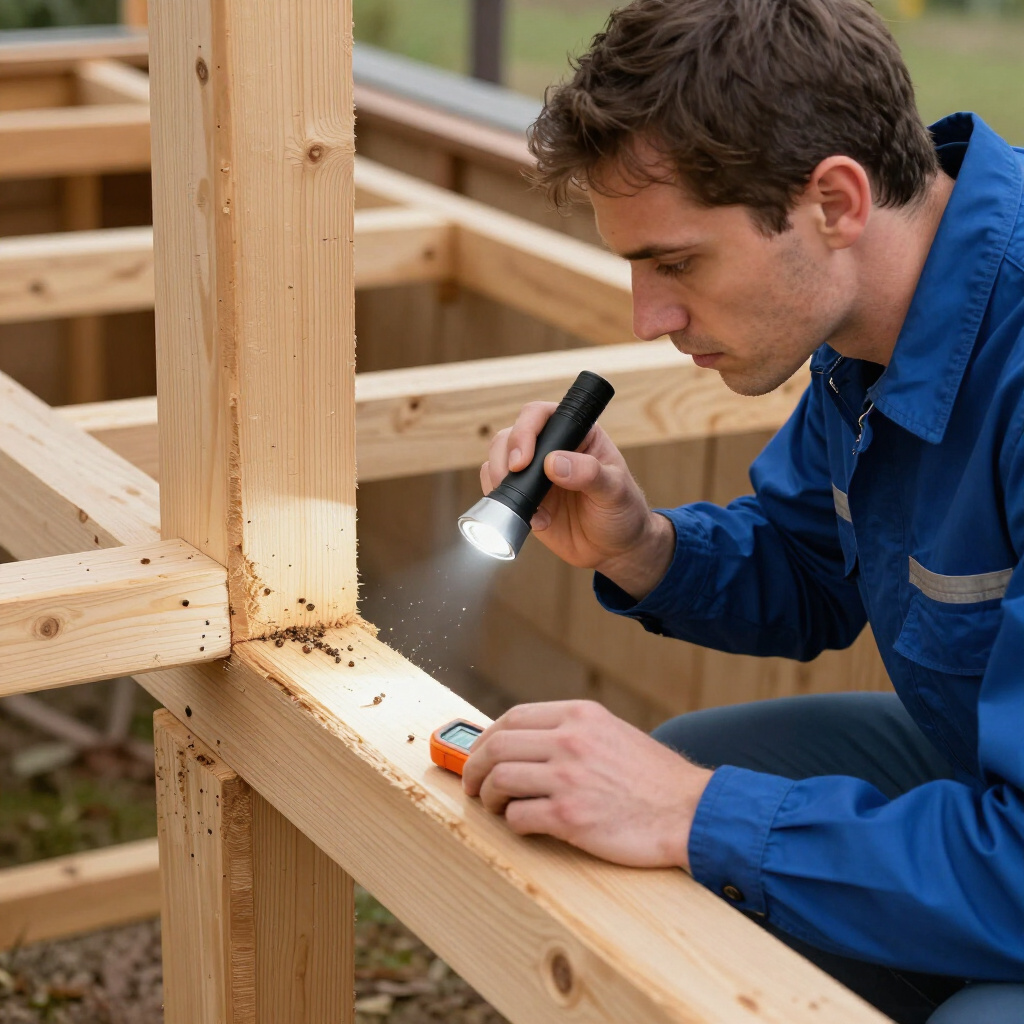
Start with a thorough inspection of your home's exterior. Check around windows and doors for worn weatherstripping, gaps in caulking, or damaged screens. Pay special attention to foundation cracks, spaces around utility pipes and cables, and vents without mesh covers. Even tiny openings near roof soffits or fascia boards can serve as spider highways.
Use silicone caulk for small cracks and gaps. Install door sweeps on exterior doors, including the one leading to your garage. Replace or repair torn window screens promptly, and consider adding fine mesh over attic vents and chimney openings. These steps do more than block spiders—they also improve your home's energy efficiency and keep out other pests.
Don't forget your indoor spaces. Check where baseboards meet floors, especially in older homes where settling has created gaps. Sealing these interior cracks eliminates hiding spots and limits how far spiders can travel if they do get inside.
Remove What Attracts Spiders in the First Place
Spiders don't wander into your home for shelter alone—they follow food. Their diet consists almost entirely of insects, so a spider problem often signals another pest issue lurking nearby. Address the food source, and spiders lose their reason to stay.
Reduce indoor insects by keeping your kitchen clean. Wipe counters nightly, store food in sealed containers, and don't let dirty dishes pile up. Take out garbage regularly and use bins with tight-fitting lids. Fix leaky faucets and pipes promptly; even small water sources attract thirsty bugs.
Outdoor lighting plays a surprising role too. Standard white bulbs attract flying insects, which in turn draw hunting spiders. Switch to yellow or amber LED bulbs, which are far less attractive to the bugs spiders prey on. Position lights away from doorways and windows when possible, or use motion sensors so they're only on when needed.
Your landscaping choices matter as well. Keep shrubs, firewood piles, and dense vegetation at least a foot away from your foundation. These outdoor harborage areas give spiders a staging ground for indoor invasions. Elevate firewood on racks, and rotate your stock so old logs don't become permanent spider condominiums.
Smart Cleaning and Maintenance Habits
A clean home isn't just pleasant for you—it's hostile to spiders. Regular cleaning disrupts webs, destroys egg sacs, and eliminates the dusty corners where spiders prefer to set up camp.
Dust and vacuum weekly, hitting easily overlooked spots like ceiling corners, behind furniture, inside closets, and beneath appliances. Use your vacuum's hose attachment to suck up webs, spiders, and egg sacs in one go. Dispose of the vacuum bag or empty the canister outside immediately afterward so nothing escapes back into your home.
Declutter ruthlessly, especially in storage areas. Cardboard boxes, stacks of newspapers, and piles of clothing create ideal spider habitat. Switch to plastic storage bins with tight lids, and keep items off the floor on shelving units. In basements and garages, maintain organization and avoid letting items accumulate untouched for months.
Control humidity throughout your home. Spiders prefer damper environments, so run dehumidifiers in basements, crawl spaces, and other moisture-prone areas. Ensure bathrooms have working exhaust fans, and fix any plumbing leaks quickly. Good airflow helps too—consider improving ventilation in stuffy areas where humidity tends to collect.
Natural Deterrents and Professional Solutions
Many homeowners prefer starting with natural approaches before considering chemical treatments. Certain scents genuinely repel spiders, though they work best as supplements rather than standalone solutions.
Essential oils with strong profiles—peppermint, tea tree, eucalyptus, and lavender—can discourage spiders when applied properly. Mix fifteen to twenty drops with water in a spray bottle and apply to entry points, window sills, and known spider pathways. Reapply every few days, as the scent dissipates quickly. Vinegar solutions work similarly, though the smell is less pleasant for humans too.
Diatomaceous earth, a natural powder made from fossilized algae, can be sprinkled in dry areas like basements and garages. It damages spiders' exoskeletons when they crawl through it. Use food-grade versions if you have pets or children, and reapply after cleaning or damp conditions.
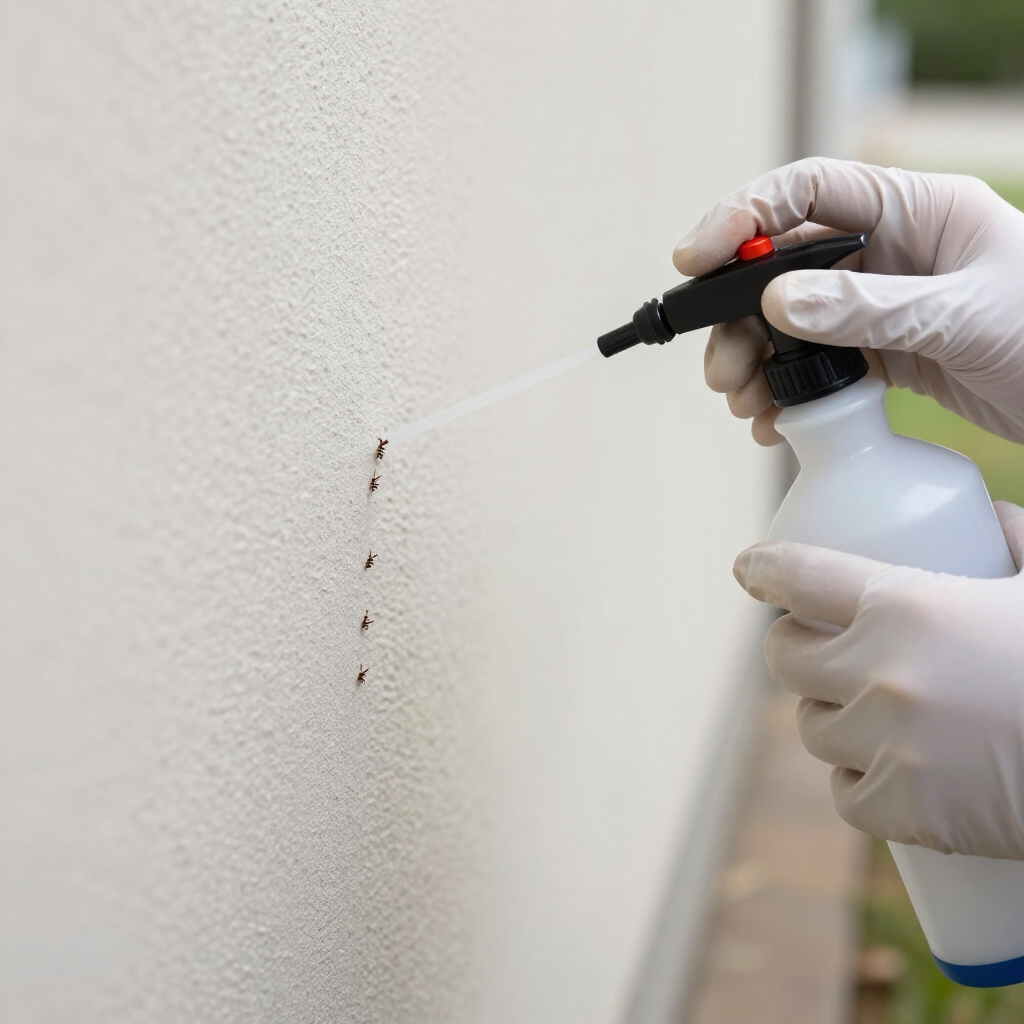
When natural methods aren't enough, targeted pesticide applications may be warranted. Look for products containing pyrethroids or other proven spider control agents, and apply them precisely to cracks, crevices, and other entry points rather than broadcasting broadly. Always follow label directions carefully.
For persistent or extensive infestations—especially if you're seeing venomous species like black widows or brown recluses—professional pest control is the safest choice. Technicians can identify species accurately, locate hidden nests, and apply treatments with precision that DIY methods can't match. They'll also help you understand what's attracting spiders and how to prevent future problems.
Final Thoughts
Learning how to keep spiders out of your house comes down to understanding what they need and systematically removing it. Seal their entry routes. Eliminate their food sources by controlling other insects. Disrupt their habitat through regular cleaning and decluttering. And when needed, use deterrents or professional services strategically.
The most successful approach combines multiple tactics rather than relying on any single method. Consistency matters too—a one-time deep clean helps, but maintaining these habits month after month creates an environment where spiders simply have no reason to stay. Your home should feel comfortable and secure, not like shared territory with creatures that make you uneasy. Take these steps, and you'll be well on your way to a spider-free living space.