
When ants march across your kitchen counter or you hear scratching in the walls at night, the first question that comes to mind is usually: should I tackle this myself or call in the pros? Both DIY pest control and hiring a professional have their place, but the right choice depends on the pest, the severity of the problem, and your comfort level with chemicals and critters. Let's break down what you need to know to make the smartest decision for your home and family.
DIY Pest Control: When It Works and When It Doesn't
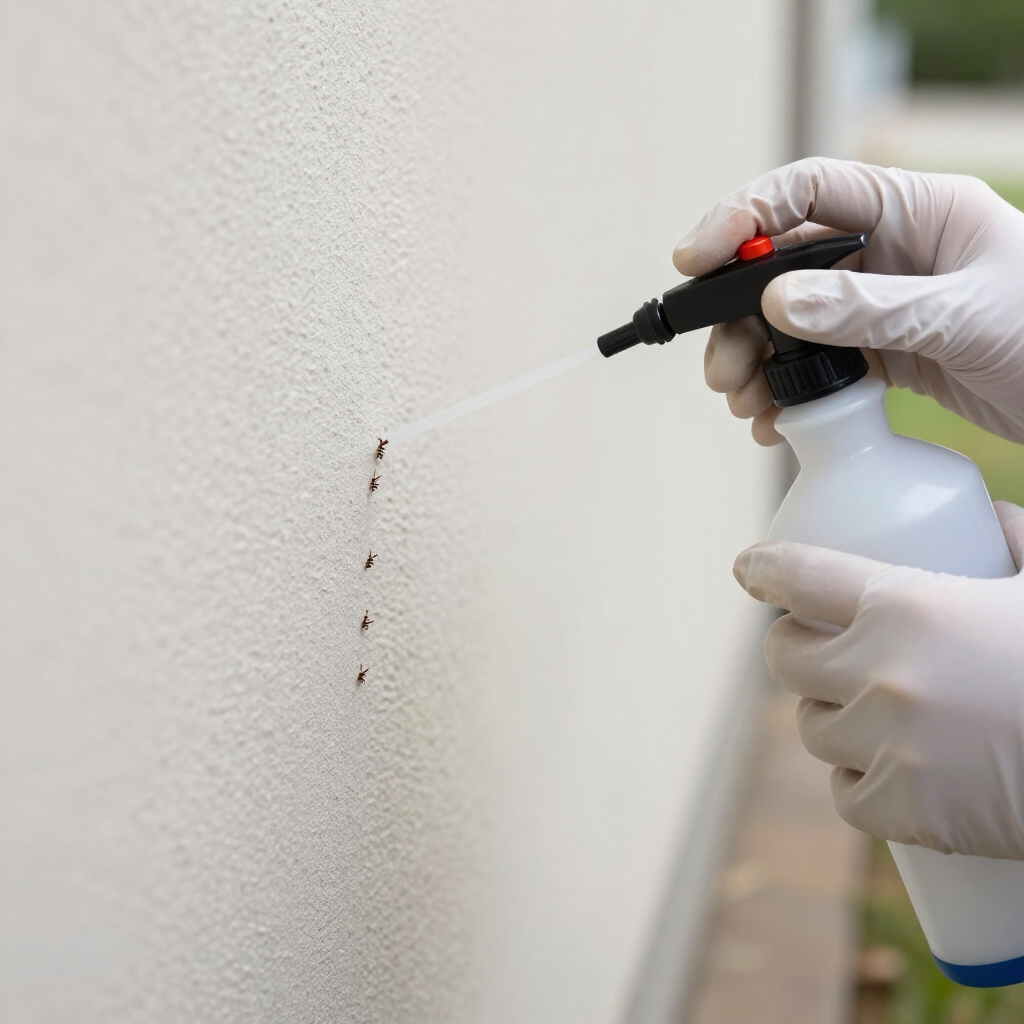
DIY pest control can be an effective and budget-friendly option for minor, isolated pest issues. A few ants trailing to a dropped crumb, a single wasp nest under the eaves, or the occasional spider in the basement often respond well to over-the-counter solutions. Store-bought sprays, bait stations, and natural remedies like diatomaceous earth or essential oils can handle these situations without the need for professional intervention.
The appeal of DIY pest control is clear: lower upfront costs, immediate action, and the satisfaction of solving the problem yourself. Hardware stores and online retailers offer a staggering array of products, from ultrasonic repellents to bait gels to fogging systems. For the handy homeowner, this can feel empowering.
However, DIY approaches have significant limitations. Most consumer-grade products are formulated at lower concentrations than professional treatments, making them less effective for established infestations. Surface sprays may kill the pests you see but miss the colony hidden behind walls. Misapplication is common and can be dangerous—overusing pesticides in kitchens or around children and pets creates health risks. And perhaps most frustratingly, DIY efforts often treat symptoms rather than causes, leading to recurring problems that cost more in the long run.
DIY pest control works best when you correctly identify the pest, understand its behavior, and catch the problem early. It fails when homeowners underestimate the scope of an infestation or misidentify the species, leading to wasted money and prolonged exposure to unwanted guests.
When to Call a Professional Exterminator
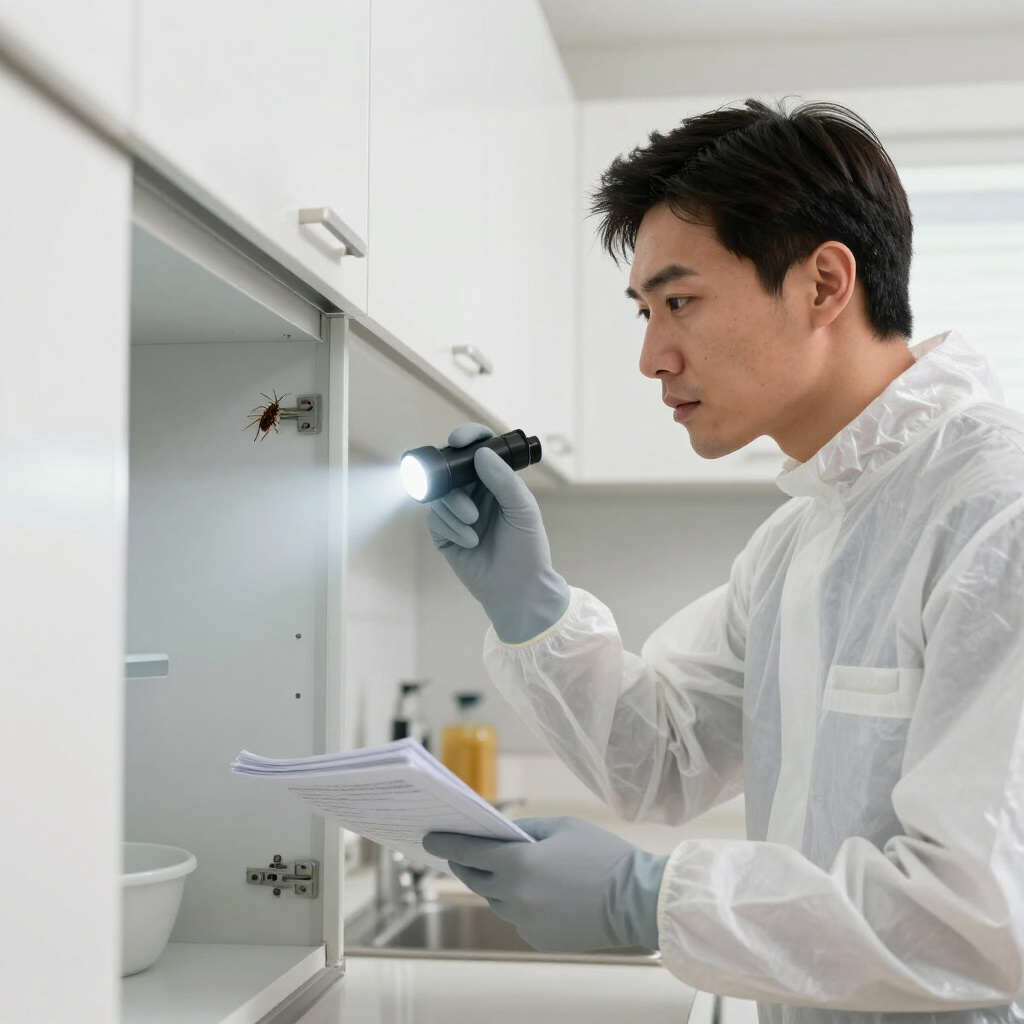
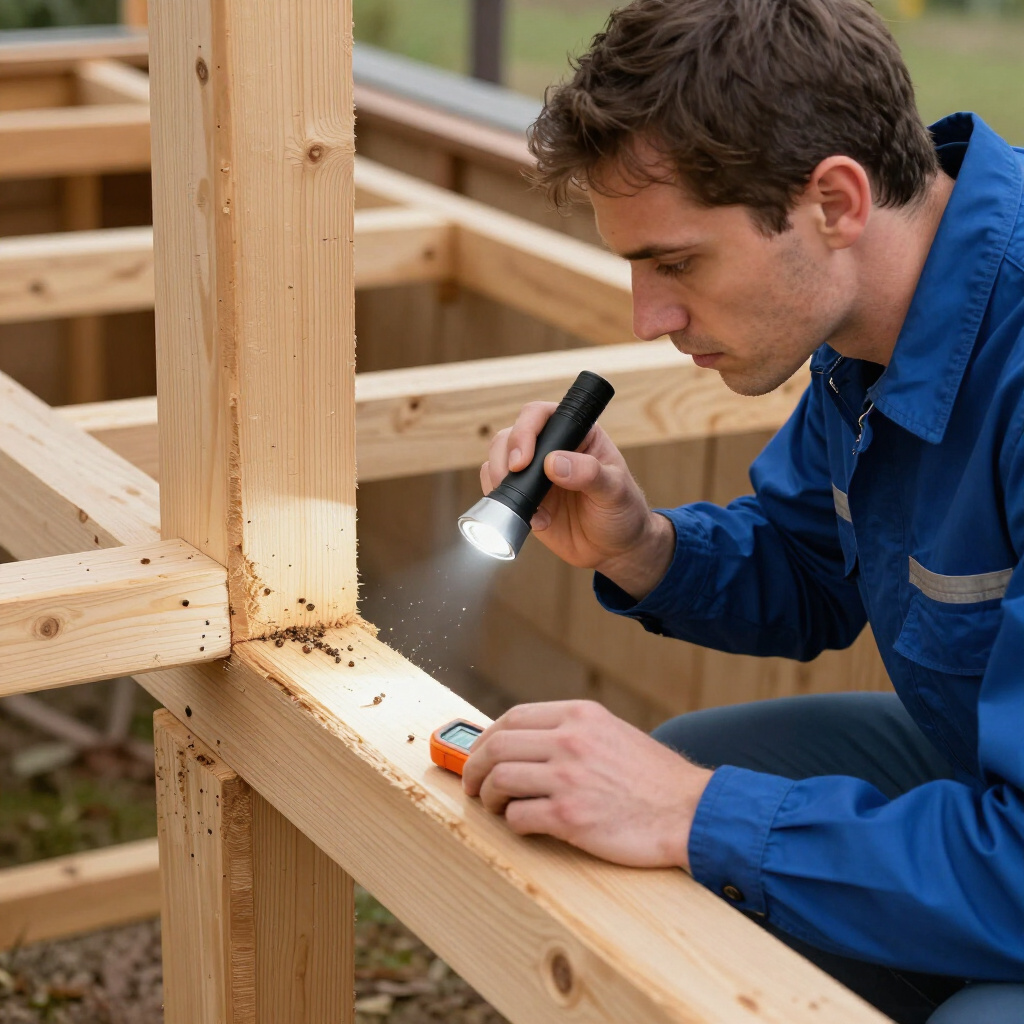
There are clear signals that DIY pest control is no longer sufficient. Recurring infestations despite your best efforts, pests that pose health risks like rodents or cockroaches, wood-destroying insects such as termites or carpenter ants, and any pest you cannot confidently identify all warrant professional attention. Bed bugs, in particular, are notoriously difficult to eradicate without specialized equipment and expertise.
Professional exterminators bring several advantages that DIY methods cannot match. They possess deep knowledge of pest biology and behavior, allowing them to identify not just the pest but the source of the problem. They have access to commercial-grade products and application equipment that are more effective and often safer when properly deployed. Integrated Pest Management (IPM) techniques, which professionals routinely employ, combine chemical and non-chemical strategies for long-term prevention rather than short-term elimination.
Licensing and training also matter significantly. Professionals understand how to apply treatments in ways that minimize risk to your family, pets, and the environment. They know where pests hide, how they travel, and what conditions attract them—insights that transform a reactive treatment into a proactive prevention plan.
Cost is often cited as a barrier to professional service, but this deserves honest consideration. A single professional treatment may cost more than a shopping cart of retail products, yet effective eradication prevents the property damage, health expenses, and repeated DIY purchases that accumulate when problems persist. Termite damage alone can cost thousands in repairs—far exceeding preventive professional treatment.
Making the Right Choice for Your Situation
Assess your pest situation honestly before deciding. Consider the pest type, infestation size, location within your home, and any health vulnerabilities among household members. A few pantry moths may warrant a thorough cleaning and pheromone traps. A wasp nest near a second-story window, however, presents safety risks that justify professional removal. Rodent droppings in the attic signal a problem that demands comprehensive exclusion work beyond what traps alone can achieve.
Time and stress also factor into your decision. DIY pest control requires research, shopping, application, monitoring, and often repeated efforts. For busy households, the convenience and guarantee of professional service provides value beyond the invoice.
If you choose the DIY route, prioritize safety: read all labels completely, use the minimum effective amount, store products locked away from children and pets, and never mix different chemicals. When in doubt, consult your local extension office or poison control center.
Final Thoughts
DIY pest control and professional services are not mutually exclusive—they represent points on a spectrum of appropriate responses. Minor, well-understood problems often yield to diligent homeowner effort. Complex, hazardous, or persistent infestations demand the expertise that only trained professionals provide. The wisest approach is to start with honest assessment: know your limits, respect the risks, and recognize when calling a professional is the most effective, economical, and safest choice. Your home deserves protection done right, whether that means a careful application from your own hands or the skilled service of an experienced exterminator who can guarantee results.